|
Greetings Decision Maker,
A new Quinnipiac University poll reveals a striking paradox: Americans are using AI more than ever, yet trusting it less. Use for research jumped to 51% from 37% a year earlier, but 76% say AI-generated information can be trusted only some of the time or hardly ever, and 55% now think AI will do more harm than good in their day-to-day lives. The labor market is where this skepticism hardens fastest: 70% believe AI will reduce job opportunities overall, up from 56% in 2025, and 80% say they would not want an AI program as their direct boss. Even when AI outperforms humans at a task, 81% still prefer a combination of AI and human judgment over the machine alone. For leaders, the takeaway is clear: adoption without accountability breeds backlash, and the organizations that make AI's role legible and clearly subordinate to human control will be the ones that keep public and employee trust intact.
To learn more, check out this blog.
|
|
|
|
|
|
Prefer video to text? See this video based on the blog: |
|
|
|
|
|
If you prefer audio, listen to this podcast based on the article: |
|
|
|
|
|
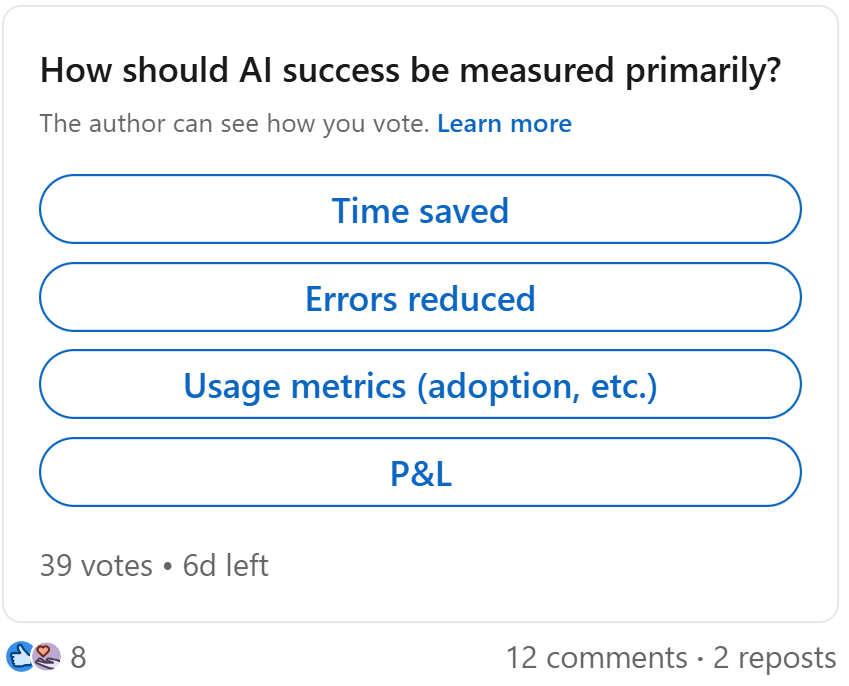
Make Your Voice Heard
Vote in this LinkedIn poll to contribute to the conversation. I will use the responses to inform my articles in Harvard Business Review, Fortune, and Entrepreneur. |
|
|
|
|
|
Your Testimonials
You and others who gain value from Disaster Avoidance Experts consulting and training services and thought leadership occasionally share testimonials about your experience, such as the one below. You can read more testimonials here. |
|
|
|
|
|
"Dr. Tsipursky gave perhaps the best webinar I was involved with at RIMS. He engaged wonderfully with our members and his virtual presentation attracted a wider, global audience. I look forward to future collaborations."
- Justin Smulison, Business Content Manager at RIMS (Risk and Insurance Management Society)
|
|
|
|
|
|
What's Up With Me
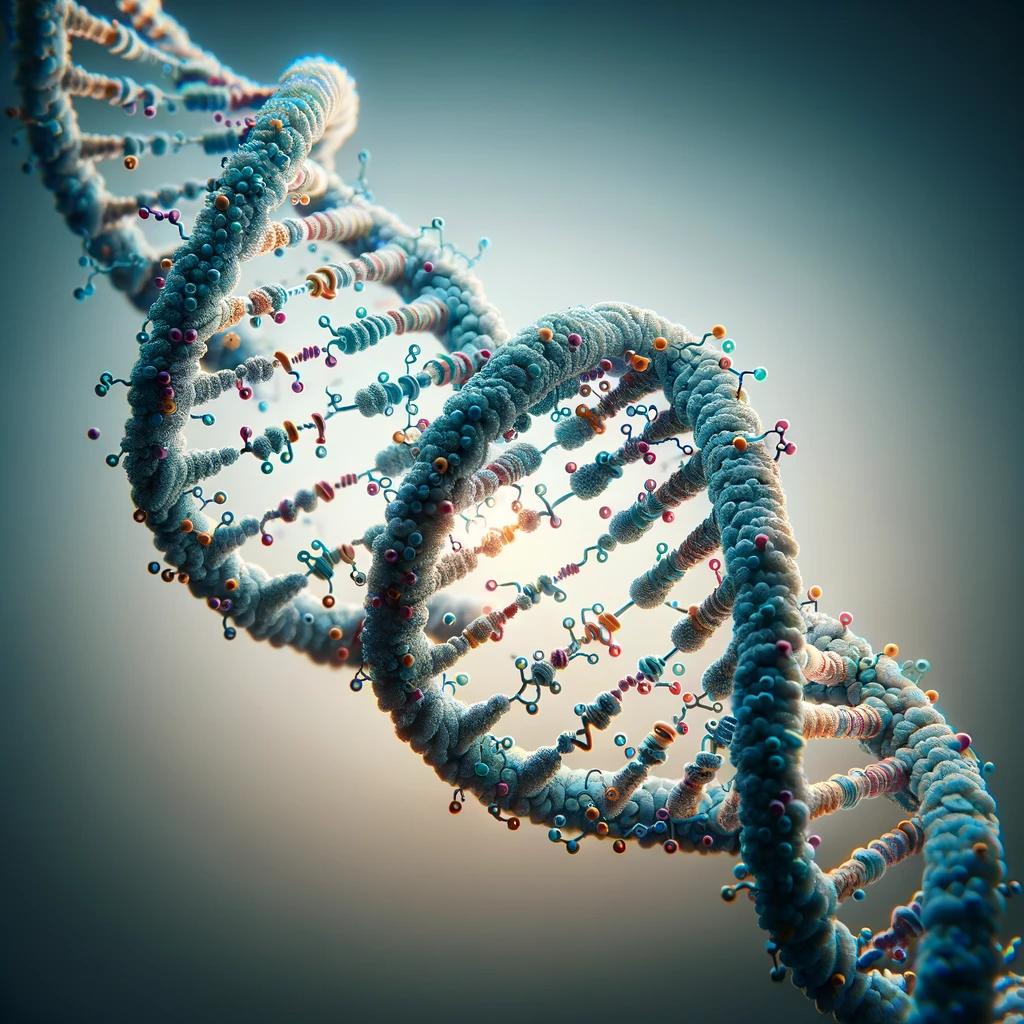
I recently read Walter Isaacson’s book The Code Breaker about Jennifer Doudna and the discovery of CRISPR, and was struck by the conversation about germline editing, meaning the ability to edit the genes of embryos. It's apparently relatively easy to do if you have a reasonable lab. The main barriers are moral and regulatory, namely concerns about parents being able to choose the genes of their children. Of course, there are a variety of boundaries one could draw. For example, one could say that parents should only be allowed to edit embryos to prevent inheritable diseases like sickle cell anemia or Huntington's disease. Or that parents could do that and also make their children resistant to diseases such as cancer or COVID or schizophrenia. Or both of these, and also remove harmful predispositions, such as toward alcoholism, depression, and gambling. Then, moving on from addressing harms, we get into enhancements. Some enhancements may enjoy a broad social consensus as being beneficial, such as having a better memory or greater strength or higher conscientiousness: after all, both the individual and society as a whole would be better if we all had a better memory or were stronger or more responsible. Moving on, we can permit enhancements that would benefit the individual primarily, such as good looks or height or extraversion. At the far extreme would be individual preferences, such as eye color, or more controversially, sexuality, skin color, or glowing in the dark. Where do you think we should draw the line, if at all, on parents being able to choose the genes of their children? |
|
|
|
|
|
Would love to get your feedback on what you found most useful about this edition of the “Wise Decision Maker Guide” - simply reply to this email.
Decisively Yours,
Dr. Gleb
|
|
|
|
|
|
|
|
|
|
|