|
Greetings Decision Maker,
A true generative AI (Gen AI) learning culture transcends mere training programs. It's about weaving a deep appreciation for growth and development into the organizational DNA. This means fostering an environment where learning is continuous, integrated into daily operations, and viewed as essential for both individual and collective success. Such a culture fuels curiosity, innovation, and adaptability – crucial traits for navigating today's dynamic business landscape, particularly in creating a learning culture around the rise of technologies like Gen AI. This creates an environment where learning is continuous, integrated into daily routines, and seen as essential to both individual and organizational success.
To learn more, check out this blog.
|
|
|
|
|
|
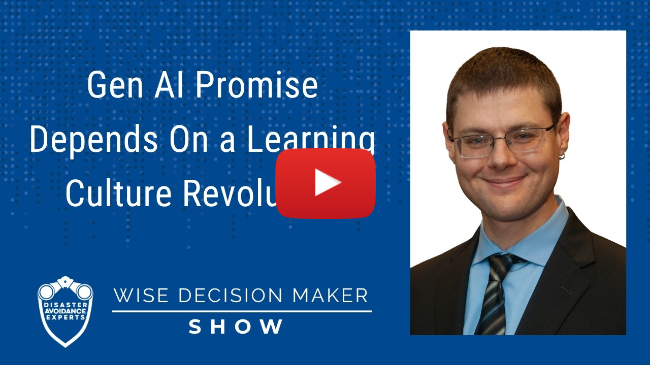
Prefer video to text? See this video based on the blog: |
|
|
|
|
|
If you prefer audio, listen to this podcast based on the article: |
|
|
|
|
|
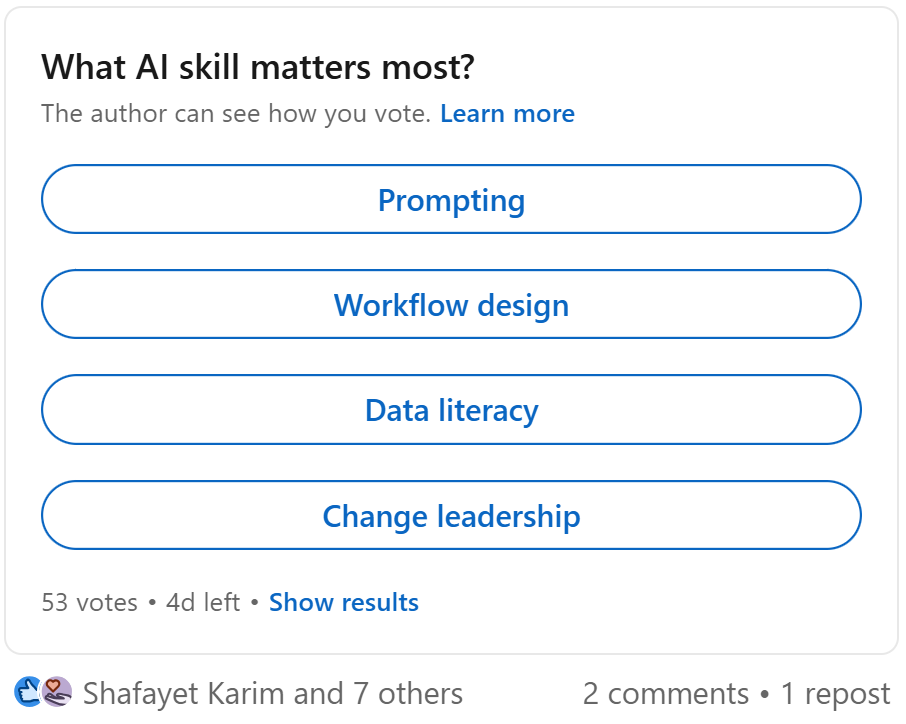
Make Your Voice Heard
Vote in this LinkedIn poll to contribute to the conversation. I will use the responses to inform my articles in Harvard Business Review, Fortune, and Entrepreneur. |
|
|
|
|
|
Your Testimonials
You and others who gain value from Disaster Avoidance Experts consulting and speaking services and thought leadership occasionally share testimonials about your experience, such as the one below. You can read more testimonials here. |
|
|
|
|
|
"Dr. Gleb gave a great presentation for my group. He was recommended by some other chapters within my organization. He really delivered with some great advice for the engineers, and I think most engineers should probably hear it. Working with him was great, he's one of the best speakers that I've ever worked with. He was very well prepared, I had to do very little to get it worked out. He was dynamic, he involved all the different participants, he had customized remarks. It was a great experience for everyone. I really recommend him for any engineering team that's involved in decision making, I think he's got a great message that you should probably hear."
- Steve Corns, Chair of IEEE MS&T
|
|
|
|
|
|
What's Up With Me
After Agnes had her breast lumpectomy surgery a couple of weeks ago, it was very surprising to find out that the surgery was a failure, meaning they didn’t remove the whole tumor and had to do another surgery to extract the rest. The doctor didn’t even mention this as a possibility, and both Agnes and I became frustrated and upset when we learned that about a third of all lumpectomy procedures result in a positive margin, meaning some cancer cells were left behind after the surgery. It wouldn’t have been nearly as frustrating and upsetting if the doctor had been upfront about this, telling us that there's around a 30% possibility that a repeat surgery may be needed, but we had no idea and were shocked by the news. This was an example of a terrible approach to medical communication and managing expectations in general. |
|
|
|
Would love to get your feedback on what you found most useful about this edition of the “Wise Decision Maker Guide” - simply reply to this email.
Decisively Yours,
Dr. Gleb
|
|
|
|
|
|
|
|
Dr. Gleb Tsipursky
CEO of Disaster Avoidance Experts
PS: Are we connected on LinkedIn? If not, please add me.
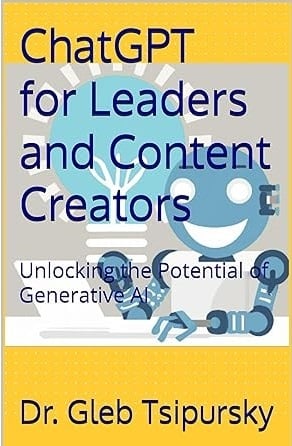
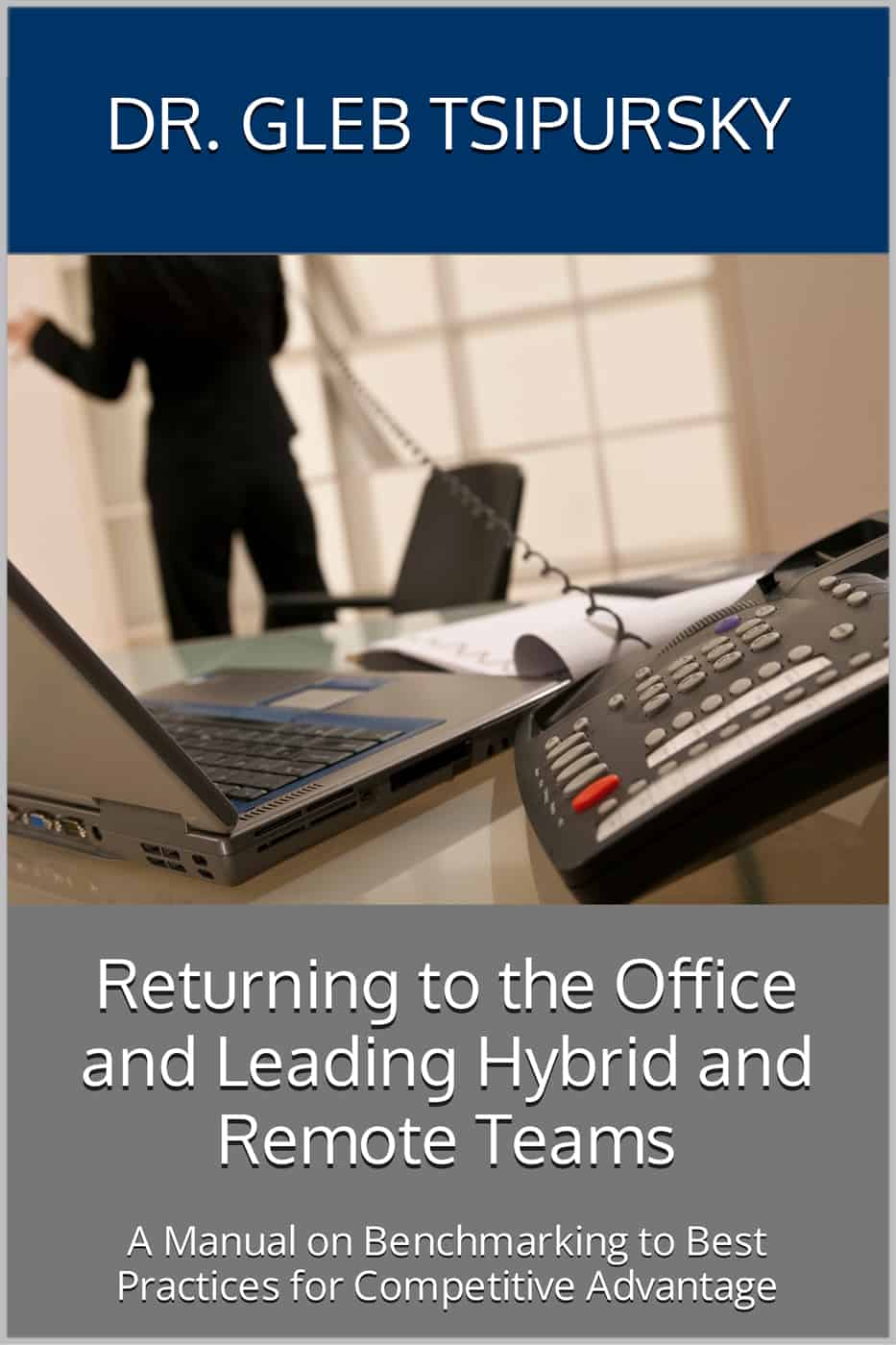
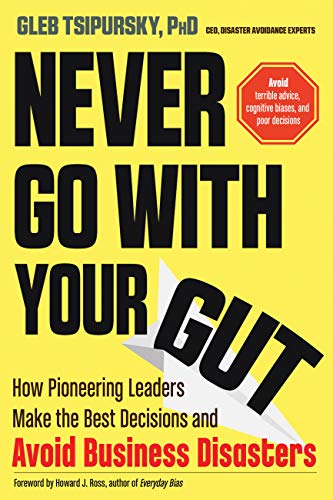
Did you miss out on reading any of my bestselling books? |
|
|
|
|
|
|